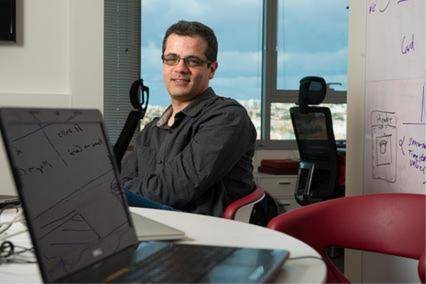
Professor of AI · Ben-Gurion University of the Negev

Lior Rokach

I develop machine-learning methods and apply them to healthcare, the security of AI systems, and the automation of scientific discovery.

  • Professor, Institute for Applied AI Research, The Stein Faculty of Computer and Information Science, BGU
  • Member, UN Independent International Scientific Panel on AI (2026–2029)
  • Area editor, Information Fusion - An International Journal (Elsevier)
400+peer-reviewed papers
33Ph.D. graduates
113M.Sc. theses supervised
22granted patents

Recent

News and highlights

Recommended by the UN Secretary-General for the global scientific panel on AI

UN Secretary-General António Guterres recommended Prof. Rokach for the new Independent International Scientific Panel on Artificial Intelligence, the first scientific body dedicated exclusively to AI. He is the only Israeli among the 40 members, who were chosen from more than 2,600 candidates in 140 countries. The panel prepares evidence-based assessments of the opportunities, risks and societal impact of AI.

Read the article on Ynetnews ↗

Op-ed: “AI tsunami is here”: Israel must invest in AI to stay competitive

Writing as a member of the UN panel, Prof. Rokach separates AI safety from AI security, discusses the effect of AI on employment and inequality, and argues that Israel should invest heavily in AI education and training.

Read the op-ed in The Jerusalem Post ↗

BGU Award for Breakthrough Research

Awarded by the Vice President and Dean for Research and Development for methods that improve the accuracy and stability of AI models.

New papers on LLMs and clinical AI

LongMem-RAT on cross-session red teaming of LLMs (EMNLP 2026 Findings), DFPE on diverse LLM ensembles (EACL 2026), and meta-learning for detecting atrial fibrillation after stroke (The Lancet Digital Health).

Biography

About

Lior Rokach is a Professor of Artificial Intelligence at the Institute for Applied AI Research, Faculty of Computer and Information Science, Ben-Gurion University of the Negev (BGU). His research group develops machine-learning algorithms and applies them to healthcare, cyber security and bioinformatics. In 2026, on the recommendation of the UN Secretary-General, he was elected one of the 40 members of the Independent International Scientific Panel on Artificial Intelligence. He is also a Research Collaborator in the Department of Hematology at the Mayo Clinic in Rochester, Minnesota.

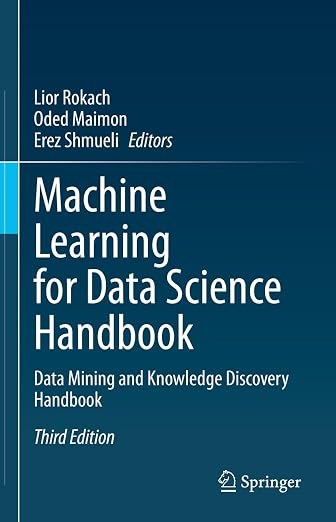
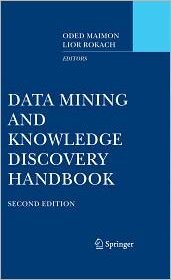
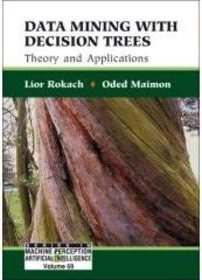
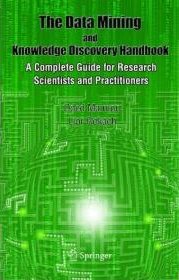
He has published more than 400 peer-reviewed papers in journals, conference proceedings and edited volumes, and has written six books, several of them in more than one edition. These include Data Mining with Decision Trees (World Scientific, 2008; 2nd ed. 2015) and Ensemble Learning: Pattern Classification Using Ensemble Methods (World Scientific, 2010; 2nd ed. 2019). He co-edited the Recommender Systems Handbook (Springer, 2011, 2015, 2022) and The Data Mining and Knowledge Discovery Handbook (Springer, 2005, 2010; 3rd ed. 2023 as Machine Learning for Data Science Handbook). Three of his books have been translated into Chinese. A Stanford University study places him among the top 0.1% of AI researchers by career-long impact.

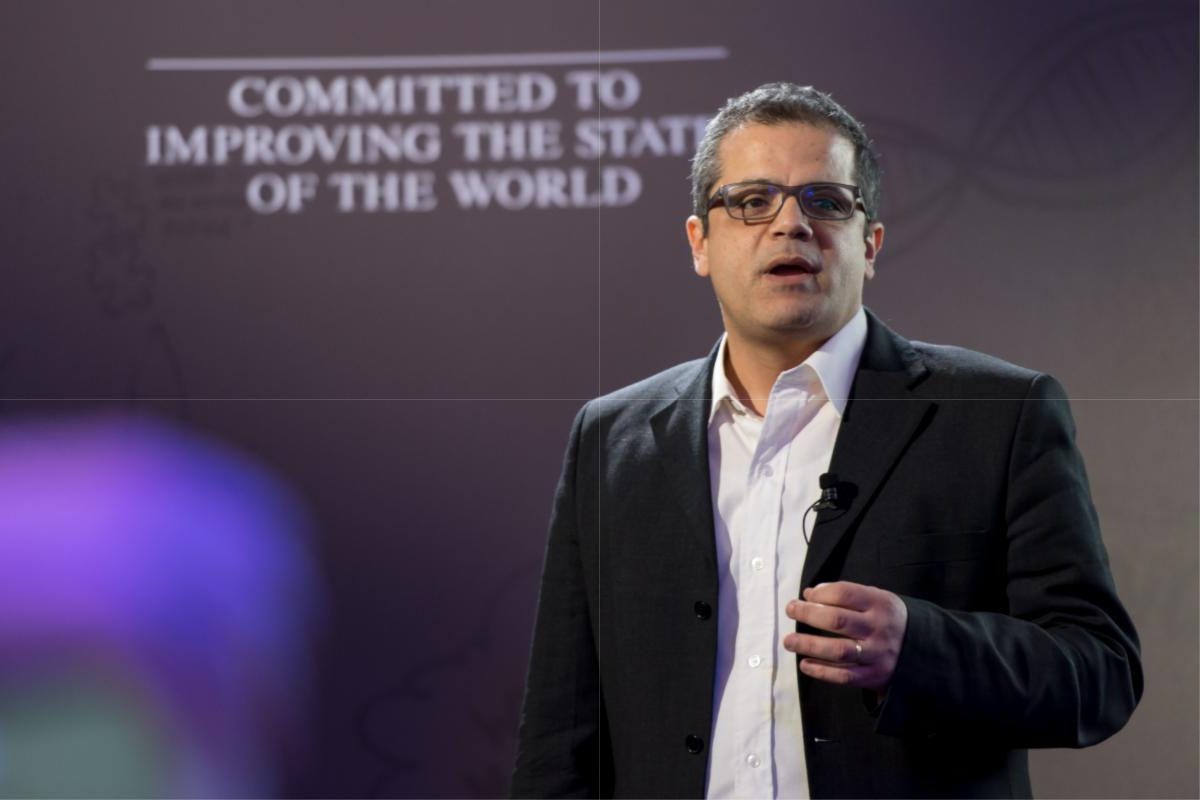
His main methodological contribution is in ensemble learning, recognized by BGU’s Toronto Prize for Academic Excellence in Research (2012). He has also designed recommender systems deployed on large e-commerce sites that serve millions of users. Papers he advised and co-authored received the Best Research Paper Award at ACM CIKM 2019, the Best Student Paper Award at ACM UMAP 2018 and the Best Paper Runner-up Award at IEEE ICDM 2021. In 2018 he spoke at the World Economic Forum in Davos on adversarial attacks and their implications for AI.

He founded BGU’s Machine Learning Laboratory in 2006. The lab has since carried out more than two dozen funded projects for sponsors that include Deutsche Telekom, DARPA, Intel, Audi, IBM, EMC, Lockheed Martin, KBC Bank, General Motors, the EU Horizon 2020 programme, eBay and Rafael. He chaired the Department of Software and Information Systems Engineering from 2017 to 2020 and was Vice Dean for Research of the Faculty of Engineering from 2023 to 2025.

Before joining BGU he spent more than 15 years in software design and development as co-founder, CTO, VP of R&D and chief architect in start-ups and public companies. He co-founded Kamoon, YooChoose (acquired by eZ Systems) and Deepchecks (acquired by Check Point). He served in the Israel Defense Forces’ Intelligence Unit 8200. He lives in Omer with his wife, Ronit Flint, and their four sons.
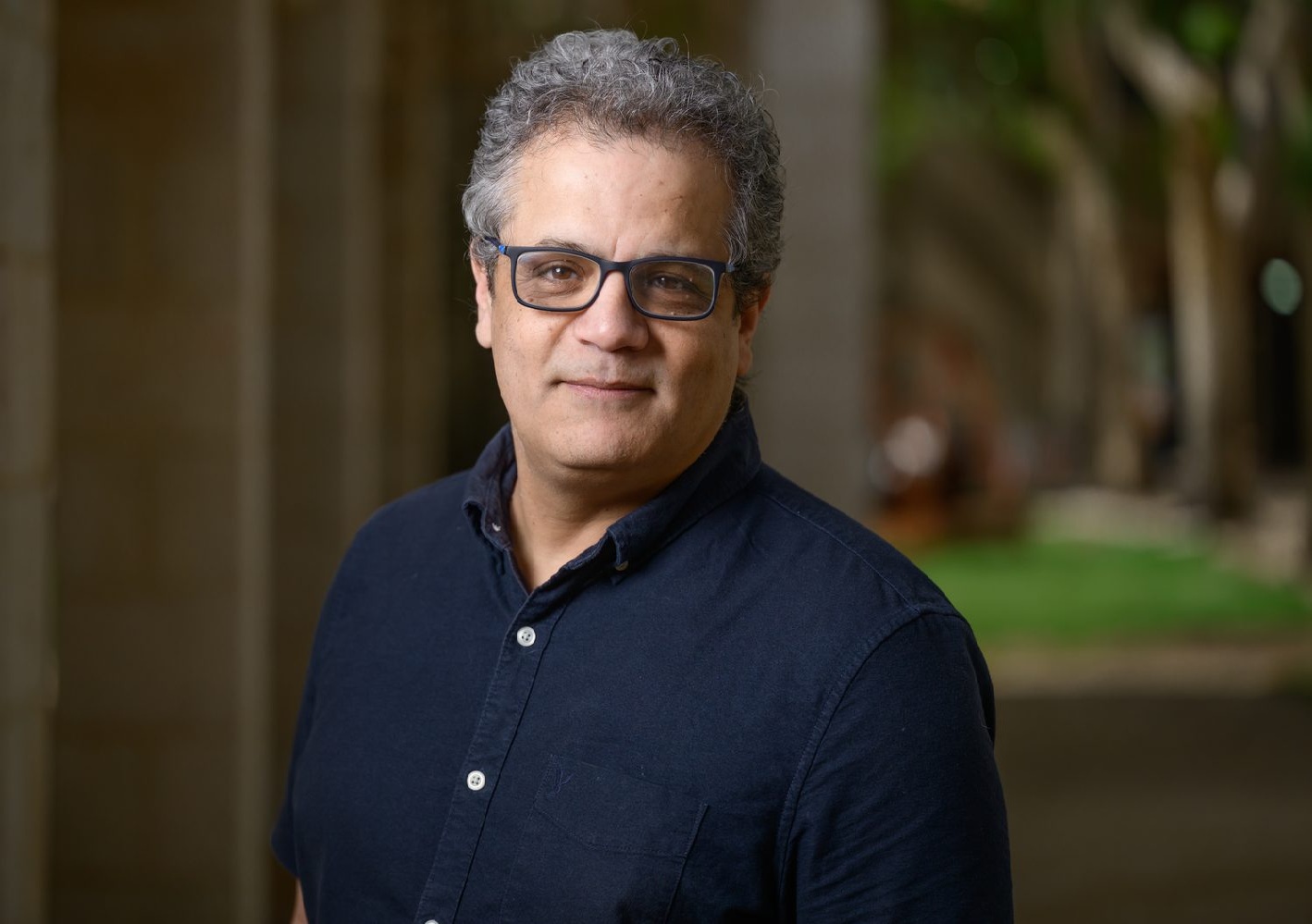

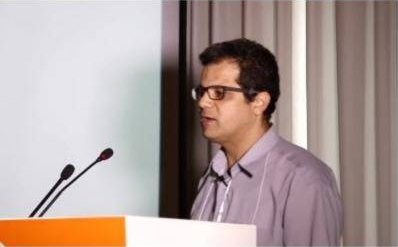
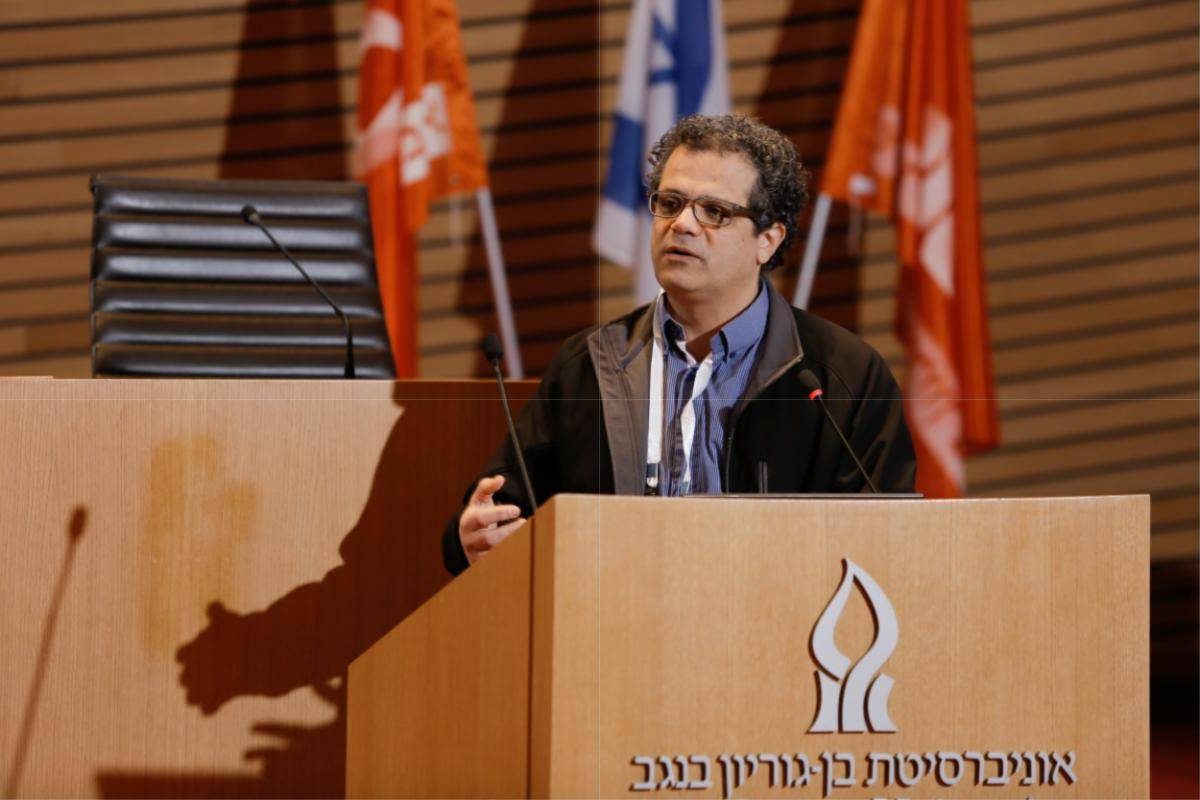
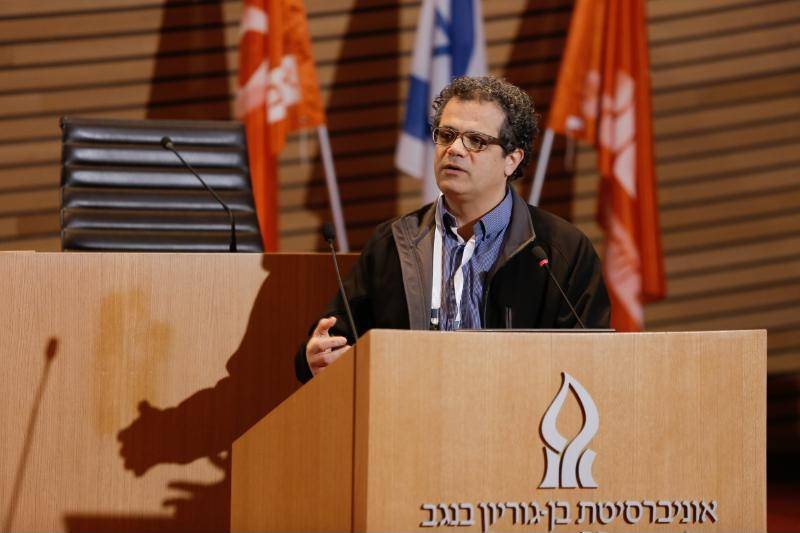
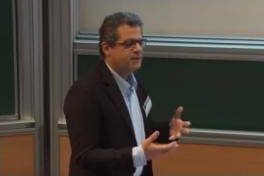
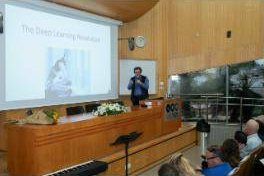
Lior Rokach speaking at a Ben-Gurion University podium
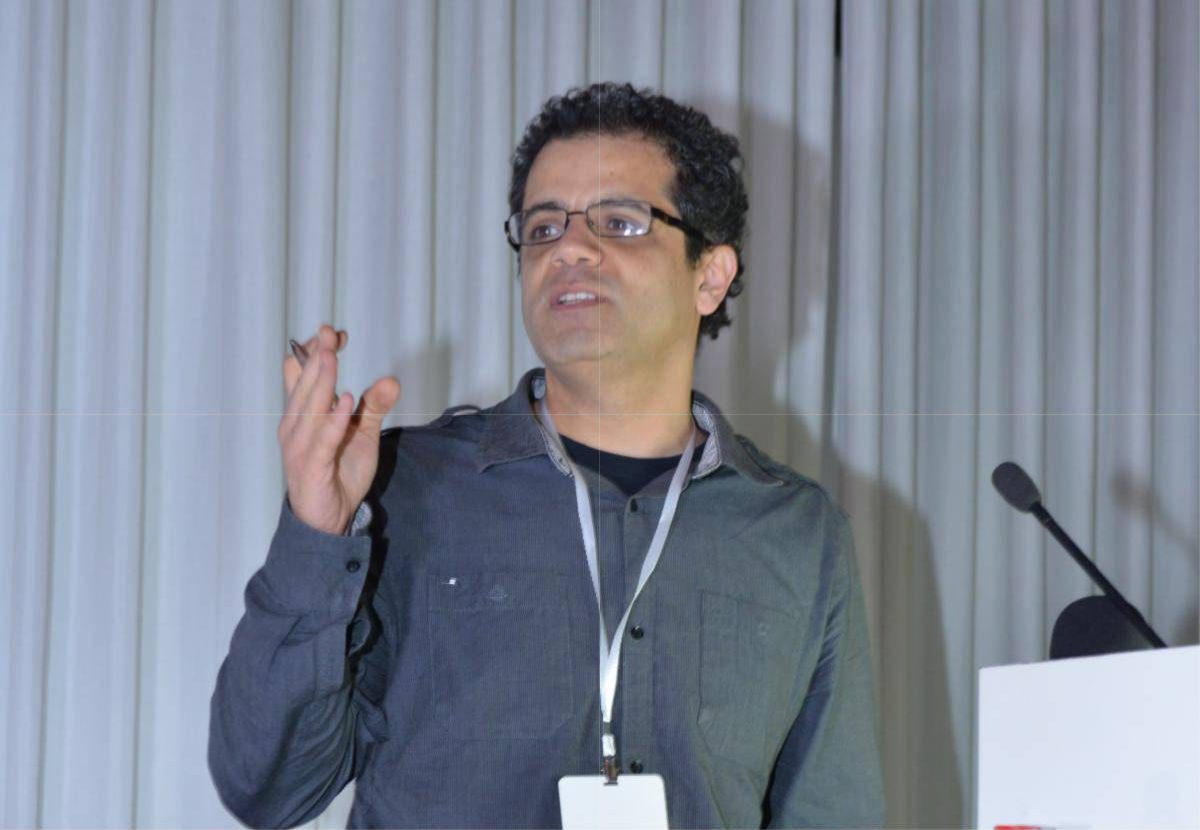
Speaking at Ben-Gurion University of the Negev

Education

2004
Ph.D., Faculty of Engineering, Tel Aviv University. Dissertation: Decomposition Methodology in Data Mining
1999
M.Sc., Faculty of Engineering, Tel Aviv University, magna cum laude, Thesis: Attribute Decomposition for Classification Tasks
1998
B.Sc., Faculty of Engineering, Tel Aviv University, summa cum laude, first in class, Under the special program for outstanding students (Currently the Adi Lautman program).

Academic appointments

2025–
Professor, Institute for Applied AI Research, Faculty of Computer and Information Science, BGU
2025–
Research Collaborator, Department of Hematology, Mayo Clinic
2014–2025
Professor, Software and Information Systems Engineering, Faculty of Engineering Sciences, BGU
2005–2014
Lecturer (2009-2009), Senior Lecturer (tenured 2010) and Associate Professor (2011-2014), Software and Information Systems Engineering, Faculty of Engineering Sciences, BGU
2012
Visiting Scholar, College of Information Sciences and Technology, Penn State University

Research

Research areas

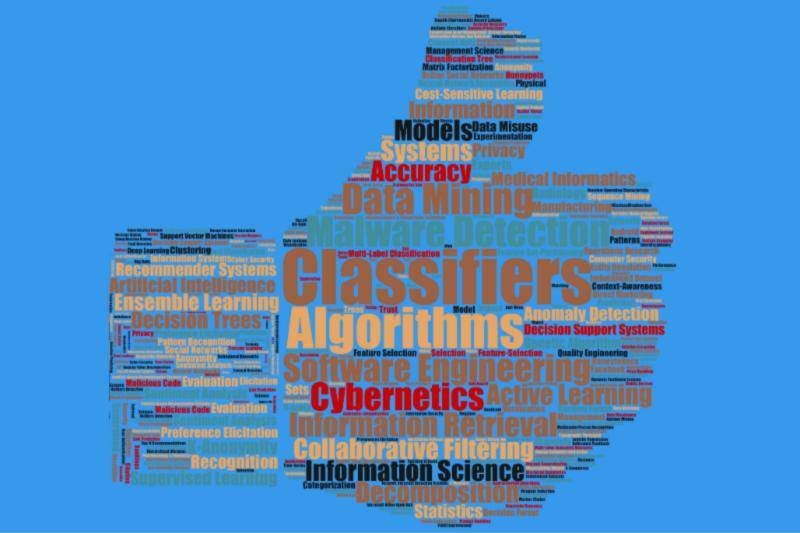
The group works on learning algorithms and on the conditions under which they can be trusted in deployment: accuracy, stability, robustness to attack and interpretability.

Artificial Intelligence in Healthcare

Clinical prediction and decision support built from electronic health records and other real-world data: risk models for hematologic malignancies such as CLL and CMML, detection of atrial fibrillation after stroke, prediction of bleeding and cardiovascular outcomes, and drug safety in pregnancy and breastfeeding.

clinical predictionEHRdecision supportexplainability

Trustworthy and secure AI

Adversarial machine learning, red teaming and jailbreak testing of large language models, prompt attacks on retrieval-augmented (RAG) systems, fairness evaluation of LLMs, and the explanation of anomalies and model errors.

LLM securityRAGadversarial MLfairness

AI Scientist

AI systems that automate parts of the scientific process, from AutoML and meta-learning that choose algorithms and pipelines automatically, as in AutoGRD (best paper, CIKM 2019) and TRIO (best paper runner-up, ICDM 2021), to autonomous AI agents that generate hypotheses, run analyses and report results.

AI scientistAutoMLmeta-learningAI agents

Recommender systems

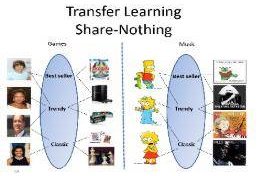
Personalization at scale: context-aware, cross-domain, session-based and bundle recommendation, and transfer learning between domains. Several of these systems run on e-commerce sites with millions of users.
personalizationtransfer learningcontext

AI for the life sciences and drug discovery

Molecule generation with transformers and reinforcement learning, prediction of drug–drug interactions and drug withdrawal, bacterial sRNA–target interactions, antimicrobial resistance, and machine-learning analysis of cancer genomes.
molecular generationbioinformaticsAMR

Ensemble learning and decision forests

Methods that combine many models into one accurate and stable predictor: how forests are built and diversified, how they can be compressed, and how a forest can be turned into an interpretable tree.

ensemblesdecision treesboostinginterpretability

Other active topics: anomaly detection, security of mobile and database systems, time-series learning, Hebrew NLP for legal and police documents, and computational criminology.

Books

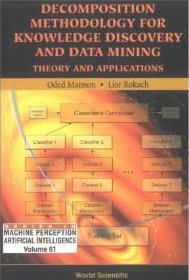
Books and handbooks

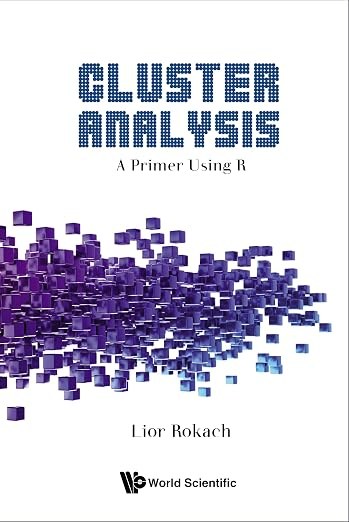
Monographs on decision trees, ensemble methods and clustering, and handbooks used as graduate reading on data mining and recommender systems.

Translations Chinese editions

Cover of the Chinese edition of Recommender Systems Handbook, second edition
推荐系统:技术、评估及高效算法 (2nd ed.)China Machine Press, 2018
Cover of the Chinese edition of Pattern Classification Using Ensemble Methods
模式分类的集成方法National Defense Industry Press, 2015
Cover of the Chinese edition of Recommender Systems Handbook
推荐系统:技术、评估及高效算法China Machine Press, 2015

“Overall, the book by Rokach & Maimon is a must read for anybody who is working in the area of knowledge discovery/data mining and has the potential to became a standard on our desks.”

Andreas Holzinger, Online Information Review, 2015, on Data Mining with Decision Trees

“If you have time for just one book …, this is the book you want. Recommender systems handbook is carefully edited book that covers a wide range of topics.”

K. Balogh, ACM Computing Reviews, 2016

“It is an indispensable reference for researchers and an excellent starting point for advanced students taking graduate courses in this area. Summing Up: Highly recommended.”

J. Y. Cheung, Choice, 2011, on Data Mining and Knowledge Discovery Handbook

Publications

Papers and book chapters

Journal articles, conference and workshop papers, and book chapters. Search by title, co-author, venue or topic, filter by type, or click a year in the chart.

Full and current lists: Google Scholar ↗ · DBLP ↗

Papers per year (click a bar to filter)

Recognition and service

Honors, leadership and editorial work

Selected honors

  1. BGU Vice President and Dean for R&D Award for Breakthrough ResearchFor methods that improve the accuracy and stability of AI models
  2. Editor’s choice, BloodNirmatrelvir plus ritonavir for patients with CLL during the Omicron surge
  3. Best Paper Runner-up, IEEE ICDM 2021TRIO: task-agnostic dataset representation for algorithm selection
  4. Best Research Paper and Best Industry Paper, ACM CIKM 2019AutoGRD: model recommendation through graphical dataset representation
  5. Invited Speaker, World Economic Forum, Davos, Switzerland January 2018Adversarial AI
  6. Best Student Paper, ACM UMAP 2018Predicting demographic information using word2vec on spatial trajectories
  7. Best Performance Award, ESWC 2014 Sentiment Analysis Challenge
  8. BGU Toronto Prize for Academic Excellence in ResearchFor contributions to machine learning, in particular efficient ensemble learning algorithms
  9. Lecturer of the Year teaching awardsHolon Institute of Technology (2002), Tel Aviv University (2003), BGU Faculty of Engineering (2006, 2007)

Leadership and public service

  1. Member, UN Independent International Scientific Panel on AI
  2. Member, Beyond Intelligence: the Israeli President’s Forum on the Future of Humanity and Society in the Age of AI
  3. Vice Dean for Research, Faculty of Engineering, BGU
  4. Founding Director, Center for Computational Criminology, BGU and Israel Police
  5. Chair, Department of Software and Information Systems EngineeringLed the department through substantial growth in faculty and undergraduate and graduate enrollment, including the launch of new B.Sc. and M.Sc. programs.
  6. Acting Chair, VATAT steering committee for Data Science
  7. Co-founder of academic programsM.Sc. track in Data Science (2013), summer school on ML for cyber security (2015), B.Sc. in Data Science and Engineering (2018), Y-Data program with Yandex (2019), B.Sc. in AI (2026)

Editorial boards

  1. Area Editor, Machine Learning and Pattern Recognition, Information Fusion (Elsevier)
  2. Associate Editor, ACM Transactions on Intelligent Systems and Technology

Patents

Granted patents

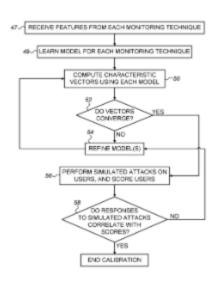
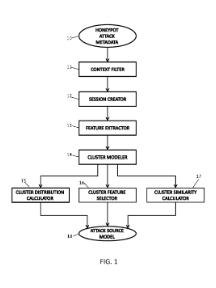
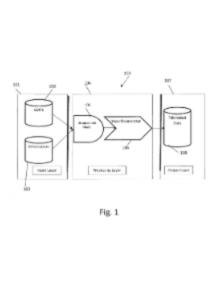
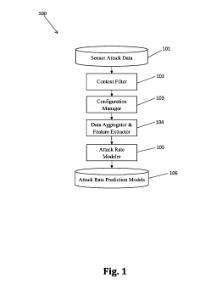
Inventions from the group cover recommender systems, ensemble classifiers, continuous user verification, data-leakage prevention, synthetic data and the analysis of cyber attacks. Each card opens the full patent on Google Patents.

22 granted patents
9
United States
11
European
2
Israeli
First page or main drawing of patent US 11,601,452 B2
2023 · US 11,601,452 B2

System and method for assessing cybersecurity awareness

First page or main drawing of patent EP 3 343 869 B1
2021 · EP 3 343 869 B1

Method for modeling attack patterns in honeypots

First page or main drawing of patent EP 2 919 447 B1
2021 · EP 2 919 447 B1

Method for building pseudo-fabricated records for a telecommunication platform

First page or main drawing of patent EP 3 040 927 B1
2021 · EP 3 040 927 B1

System for generating fabricated pattern data records

First page or main drawing of patent US 10,866,998 B2
2020 · US 10,866,998 B2

System and method for identifying contacts of a target user in a social network

First page or main drawing of patent EP 3 396 400 B1
2020 · EP 3 396 400 B1

System and method for clustering Wi-Fi fingerprints for indoor–outdoor detection

First page or main drawing of patent EP 3 346 666 B1
2020 · EP 3 346 666 B1

Prediction system for modeling the expected number of attacks on a computer or communication network

First page or main drawing of patent EP 3 340 567 B1
2020 · EP 3 340 567 B1

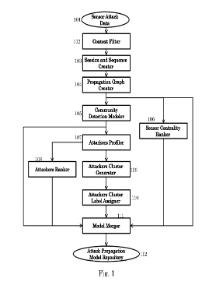
Model for identifying attack propagation patterns in monitored sensor-based systems

First page or main drawing of patent EP 3 336 739 B1
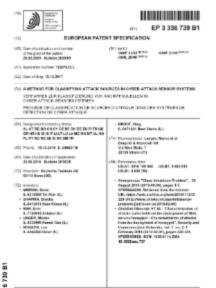
2020 · EP 3 336 739 B1

Method for classifying attack sources in cyber-attack sensor systems

First page or main drawing of patent US 10,489,524 B2 · EP 3 040 897 B1
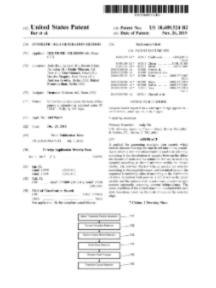
2019 · US 10,489,524 B2 · EP 3 040 897 B1

Synthetic data generation method

First page or main drawing of patent US 10,454,958 B2
2019 · US 10,454,958 B2

System and method for assessing cybersecurity awareness

First page or main drawing of patent EP 2 571 225 B1
2018 · EP 2 571 225 B1

Method for detecting data misuse in an organization’s network

First page or main drawing of patent EP 2 570 959 B1
2018 · EP 2 570 959 B1

Method of estimating the potential damage of a data-leakage incident by assigning misuseability weight

First page or main drawing of patent EP 2 477 136 B1 · IL 210698
2018 · EP 2 477 136 B1 · IL 210698

Method for continuously verifying user identity via keystroke dynamics

First page or main drawing of patent US 9,728,014 B2
2017 · US 9,728,014 B2

Sensor fault detection and diagnosis for autonomous systems

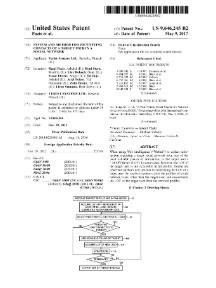
First page or main drawing of patent US 9,646,245 B2
2017 · US 9,646,245 B2

System and method for identifying contacts of a target user in a social network

First page or main drawing of patent EP 2 871 869 B1
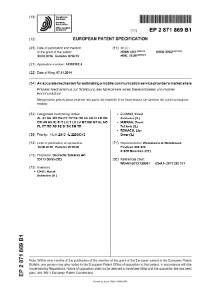
2016 · EP 2 871 869 B1

Accurate mechanism for estimating a mobile communication service provider’s market share

First page or main drawing of patent IL 229393
2016 · IL 229393

Method for accurately estimating a mobile communication service provider’s market share

First page or main drawing of patent IL 204123
2014 · IL 204123

Next-step prediction system and method

First page or main drawing of patent US 8,793,248 B2
2014 · US 8,793,248 B2

Method and system for recommending geo-tagged items

First page or main drawing of patent US 8,244,652 B2
2012 · US 8,244,652 B2

Stacking schema for classification tasks

First page or main drawing of patent US 8,019,707 B2
2011 · US 8,019,707 B2

Interactive hybrid recommender system

Lab and students

Research group

Graduate students in the group work on machine learning and its applications, often co-supervised with colleagues in medicine, biology, security and the social sciences.

Machine Learning Laboratory

Founded in March 2006. Develops new learning methods and adapts them to build intelligent systems; more than two dozen funded research projects since its founding.

Big Data Laboratory

Founded in 2013 with support from Intel. Algorithms for very large datasets, with emphasis on high-dimensional clustering, classification and anomaly detection in web mining and cyber security.

33Ph.D. graduates
113M.Sc. theses supervised
9postdocs, M.D. fellows and visiting scholars
2IBM Ph.D. Fellowships
Ph.D. graduates 33
  • 2026Moran BeladevRepresentation Learning on Temporal Graphswith Gilad Katz
  • 2026Eyal HadadCross-Species and Cross-Task Transfer Learning Approaches for Transcriptional and Post-Transcriptional Gene Regulationwith Isana Veksler-Lublinsky
  • 2026Shani CohenComputational Learning Approaches for Predicting and Analyzing Intra-species Bacterial sRNA-Target Interactionswith Isana Veksler-Lublinsky
  • 2026Nir RegevApproximating SQL queries with Deep Learningwith Asaf Shabtai
  • 2026Tomer MeirmanHandling High-Dimensionality in Causality and Prediction in Healthcarewith Bracha Shapira and Noa Dagan
  • 2026Yehonatan CohenHuman Brain Based Computational Models as a Solution for Time Series and Image Processing Problemswith Gilad Katz and Ilana Nisky
  • 2026Hagit ShaposhnikToward Interruption Management Systems Based on Workload Classification Using Machine Learning Models and Eye-Tracking Data
  • 2025Liat AntwargExplainable AIwith B. Shapira
  • 2025Amit LivneDeep Recommender Systems Utilizing Side Informationwith B. Shapira
  • 2025Roman VainshteinRepresentation of Datasets and Machine Learning Pipelines for Meta-Learning and AutoML Optimizationwith B. Shapira
  • 2025Noy Cohen-ShapiraAlgorithm Selection Through Graphical Dataset Representation
  • 2024Amiel MeiselsRobustness and Explainability of Tree-based Models
  • 2024Seffi CohenEnforcing Diversity Within Ensemble Methods
  • 2023Guy ShtarMachine Learning Based Drug Discoverywith B. Shapira
  • 2023Ariel BarPattern Mining from Sequential Bipartite Graphswith B. Shapira
  • 2023Yael MathovAdversarial Learningwith Y. Elovici
  • 2022Hagit GrushkaIBM Ph.D. FellowCombining salient data with expert knowledge for effective big data monitoringwith B. Shapira
  • 2022Adir SolomonUser Modeling and Inference Using Spatial Latent Representationwith B. Shapira
  • 2021Adam KubanyReasoning semantic relationships of image objects
  • 2021Omer SagiDecision Forest Compression
  • 2021Itai HazanMethods for Improving the Security of Keystroke Dynamics Solutionswith O. Margalit
  • 2021Ishai RosenbergAdversarial Learningwith A. Shabtai and Y. Elovici
  • 2021Edita GrolmanScalable Transfer Learning Cross-Domain Recommendation Systemswith A. Shabtai
  • 2019Sigal ElnekaveSequence Preserving Data Generation for Privacy Preservation
  • 2019Asi Messica GreensteinIncorporating Product Price into Recommender System
  • 2019Victor MakarenkovAutomatic Proofreadingwith B. Shapira
  • 2016Nir OfekSentiment Analysis
  • 2016Eli KhalastchiIBM Ph.D. FellowAnomaly detectionwith Meir Kalech
  • 2015David Ben-ShimonAnytime algorithms for recommender systemswith B. Shapira
  • 2014Lihi NamaniMulti-Agent Votingwith B. Shapira and M. Kalech
  • 2014Daniel GordonAnomaly detection in time serieswith D. Handler
  • 2013Eitan MenachemActive Security of Distributed Systemswith Y. Elovici
  • 2012Lena TenenboimMultiple Label Classificationwith B. Shapira
M.Sc. graduates (thesis track) 113
  • 2026Niv Bar-OnMolecule Mix and Match: Permutation-Based Contrastive Learning for Molecular Graphs
  • 2026Itai SolDevelopment of an Embedding-Based Computational Pipeline for Detecting and Predicting Homologous Antimicrobial Resistance Plasmids Across Bacterial Hostswith Moran Gilad
  • 2025Omer YanaiWe see THINGS differently – Image computable models of individual visual representationswith Dr. Tal Golan and Prof. Bracha Shapira
  • 2025Roei ZaadyDiFair-LLM: Evaluating Fairness Disparities in LLMs Toward Demographic Groupswith Bracha Shapira
  • 2025Or GindesMulti-Goal-Conditioned-Return-Blocks Decision Transformer: A Novel Approach for Multi-target Molecular Generationwith Bracha Shapira
  • 2025Shai RippelPlacental Abruption Severity Prediction by Applying Machine Learning Methods to EHR Data
  • 2024Shvat MesicaImproving the Detection of Diabetic Retinopathy by Fusion of Fundus Imaging with Biomarkers Trends Extracted from Electronic Health Records
  • 2024Tzvi LedererSilent Killer: Optimizing Backdoor Trigger Yields a Stealthy and Powerful Data Poisoning Attack
  • 2024Shmuel StavFinding optimal intervention point for preventing Academic Dropout
  • 2024Omer NizriCDCDB: A large and continuously updated drug combination databasewith B. Shapira
  • 2024Yuval DavidImproving Bayesian Information Criteria Using Shapley Values
  • 2024Koren IshlachA Novel Method for News Article Event-Based Embeddingwith Itzhak Ben-David and Dr. Michael Fire
  • 2024Dvir LeviImputation methods for binary outcomes in tree-based prediction models in the medical domainwith Noam Barda
  • 2024Koren LevenbrownDual-Style Disentanglement for Visual Identity Preservation in Pose-constrained Hand Generation
  • 2023Yoel WeissCASH: Clustering Anomalies with SHAP
  • 2023Gal BraunAdversarial Detector for Decision Trees Ensembles Using Representation Learning
  • 2023Bar VeredAMFPMC – An improved method of detecting multiple types of drug-drug interactionswith B. Shapira
  • 2023Nurit Cohen-IngerICU Survival Prediction Incorporating Test-Time Augmentation to Improve the Accuracy of Ensemble-Based Models
  • 2023David AbekasisExplainable Machine Learning for Revealing Causes of Citrus Fruit Cracking on a Regional Scalewith Tarin Paz-Kagan
  • 2023Ronen PrielAutomated stock picking using value investing and quality features
  • 2023Itai DaganAutomated Algorithm Selection Using Meta-Learning and Pre-trained Deep Convolution Neural Networks
  • 2022Shai MeitalPredicting Discourse Branching in Online Conversationswith N. Grinberg
  • 2022Galil MaimonLearning a Universal Adversarial Policy for Text Classifiers
  • 2022Chen YanaiModeling Basketball Games Using Deep Reinforcement Learningwith B. Shapira
  • 2022Gil ShamayEnd of Session Classification For Session Based Recommendation Systems
  • 2022Guy GonenDefining Behavioral Patterns for Attackers in Cloud Databases
  • 2022Michael MichaelshviliContextual security awareness: A context-based approach for assessing the security awareness of userswith B. Shapira
  • 2022Erel LiorDetection and Prediction of Malicious Genome Editing in Bacteriawith J. Moran-Gilad
  • 2021Eli SimhayevPIVEN: A Deep Neural Network for Prediction Intervals with Specific Value Predictionwith G. Katz
  • 2021Itay GabbayIsolation Forests and Landmarking based representations for clustering algorithm recommendation by meta-learningwith B. Shapira
  • 2021Noa Bar-TalDeep Learning for time series classification with aggregated featureswith B. Shapira
  • 2021Lior CohenNamed Entity Based News Stories Clustering Using Transformers Siamese Networkswith B. Shapira
  • 2021Adva HadrianDeepCAN: Hybrid Method for Road Type Classification Using Vehicle Sensor Data for Smart Autonomous Mobility
  • 2021Moran HahamActive Learning for Preferences Elicitation in Recommender Systemswith B. Shapira
  • 2020Amiel MeiselsSource Model Selection for Deep Learning in the Time Series Domain
  • 2020Gal RozenfeldActive-Learning-Based Circuit Synthesiswith Meir Kalech
  • 2020Yuval HeffetzAutoML Tool for Pipelines Generation using Deep Reinforcement Learning and Hierarchical Actions Filteringwith Gilad Katz
  • 2020Amit LivneDeep Recommender Systems Utilizing Side Informationwith B. Shapira
  • 2020Daniel MarcousGeospatial Clustering for Big Datawith B. Shapira
  • 2020Shani CohenMachine-Learning for Optimization of Bacterial Strain Typingwith Isana Veksler-Lublinsky and Jacob Moran-Gilad
  • 2020Amit MagenCrime Linkage Based on Textual Hebrew Police Reports Utilizing Behavioral Patternswith B. Shapira
  • 2020Eliad Shem TovEvolving context-aware recommender systems with users in mindwith Achiya Elyasaf
  • 2020Yoni CohenF-PENN – Forest path encoding for neural networkswith G. Katz
  • 2020Doron LaadanAutoML: Meta Learning-Based Approach for Pre-Ranking Machine Learning Pipelineswith G. Katz
  • 2020Eran BollessName Entity Recongition in Machine Learning Related Papers
  • 2019Adi EisenPrediction of Cryptocurrency Price using Wikipedia Page Views
  • 2019Shira KadoshDenoising-Based Sentence Correction Approach for Proper Word Choice Based on Phrase Contextwith B. Shapira
  • 2019Ori Or-MeirUsing Attention Mechanism to Enhance Malware Detection and Classification Based on Sequential System Call Analysiswith N. Nissim and Y. Elovici
  • 2019Adir SolomonPredict Demographic Information Using Word2vec on Spatial Trajectorieswith B. Shapira
  • 2019Itai MargolinProducts Semantization Using Word Embedding and Its Applicationswith O. Maimon
  • 2019Hananya TannorGradient Boosting Enhanced with Step-Wise Feature Augmentationwith Boaz Patt-Shamir
  • 2019Noy CohenModel Recommendation Through Graphical Dataset Representation
  • 2019Shir KashiA machine-learning model for automatic detection of movement compensations in stroke patientswith Boaz Lerner & Shelly Levi-Tzedek
  • 2019Hen TzabanAutomatic Product Bundle Identification on E-Commercewith Bracha Shapira
  • 2018Israelevich HananMultiple Choice Question Answeringwith A. Shabtai
  • 2018Yoav ShohamMachine Learning Algorithms for Compact Ensembleswith Jonathan Rosenblatt
  • 2018Eyal PelegMinimizing the Use of Ineffective Medicinal Treatment in Parkinson's Disease Patients Based on Cost Sensitive Classification of Medication Responsewith B. Shapira
  • 2018Tamar MeiselsAutomatic Detection of Political Perspective in News Articleswith B. Shapira
  • 2018Ruben-Sacha OhayonSemantic Embedding of Media Items for Addressing the Cold-Start Challengewith A. Armin
  • 2018Michael ShkastaIn Session Recommendationwith B. Shapira
  • 2018Seffi CohenAdvanced Ensemble Learningwith Mireille Avigal
  • 2018Lahav OmriImage processing methods for malware detection in virtual machineswith Y. Elovici
  • 2018Avrahami IsraeliConstraint Learning Based Gradient Boosting Treeswith A. Shabtai
  • 2017David BitonFSCOAL-Parallel Simultaneous Fuzzy Co Clustering and Learningwith M. Kalech
  • 2017Shahar AdmatiWikibook-Bot - Automatic Generation of Wikipedia Bookwith B. Shapira
  • 2017Yael BrumerPredicting Relevance Scores for Triples using Neural Embeddingwith B. Shapira
  • 2017Moran ShwartzContinuous Cost Sensitive Active Learning in payment applicationwith A. Shabtai
  • 2017Saar TalPersonal Adaptive Cost-Aware Sensing for Context-Aware Applicationswith B. Shapira
  • 2017Yuval Lieberman-AvitalSupervised learning of single-cell RNA sequencing datasetswith Tal Shay
  • 2017Niva Hazon CohenUsers Free-text request classificationwith B. Shapira
  • 2017Noa Roy HubaraNoSQL schema modelingwith B. Shapira and P. Shoval
  • 2017Tal HadadUser Feedback Analysis for Mobile Malware Detectionwith R. Puzis
  • 2016Roman VainshteinAutomatic Assessment of Scientific Papers Qualitywith B. Shapira
  • 2016Liron Ben KimonContinuous User Verification on Mobile Devices via Sequences of Touch Gestureswith B. Shapira
  • 2016Eran FainmanOnline Budgeted Learning for Classier Inductionwith B. Shapira
  • 2015Rada FishelMeta-Recommenderwith B. Shapira
  • 2015Ido BlankKeywords Extraction from Paperswith G. Shani
  • 2015Adi PolakAnomaly Detection in Bipartite Graph with Complex Nodes
  • 2015Eyal Machloof.Transfer Learning For Intrusion Detection
  • 2015Moran BeladevRecommender Systems for Product Bundlingwith B. Shapira
  • 2015Dimitri BekermanCross-Malware detectionwith B. Shapira
  • 2015Nofar DaliFinding the Right Timing for Proactive Recommendations by Adopting Behavioral Patterns Using Smartphone-Sensed Contextwith B. Shapira
  • 2015Guy ShtarClustering Wi-Fi Fingerprints for Indoor-Outdoor Detectionwith B. Shapira
  • 2015Yasmin BokobzaHarvest Leaked Information and Leakers Detection In Online Social Networkswith B. Shapira and R. Puzis
  • 2014Adi Ben-DavidAnomaly detectionwith D. Handler
  • 2014Ortal TovimFeature Selection for Anomaly Detection
  • 2013Olga PeledPrivacy Preserving in Social Networkswith Y. Elovici
  • 2013Orly MorenoTransfer Learning for Recommender Systemswith B. Shapira
  • 2013Ayelet UrieliSurvival Decision Treeswith M. Kalech
  • 2013Alexander OstrikovUsing geospatial metadata to boost collaborative filteringwith B. Shapira
  • 2012Raz WassersteinLimiting disclosure of sensitive data in sequential releases of databaseswith B. Shapira
  • 2012Shirly -Elena FreilikhmanExploring Cross domain recommendation accuracywith B. Shapira
  • 2012Robert PinchevskyAnomaly detection in Time Series
  • 2012Doron OdedCognitive load awareness method for continues verification of users based on their keystroke dynamicswith N. Tractinsky
  • 2012Ma'ayan GafnySupervised Many-to-Many Record Linkagewith Y. Elovici
  • 2012Naseem BiadsyTransfer Learning for Content-Based Recommender Systems using Tree Matchingwith A. Shmilovici
  • 2012Maya IlaniData Honey Pot for Leakage Detectionwith Y. Elovici
  • 2012Amir HarelMisusability for Preventing Data Leakagewith Y. Elovici
  • 2011Nadav MaromEnsemble Methodswith A.Shmilovici
  • 2011Tomer ShimshonActivity Based Verificationswith Y. Elovici
  • 2011Ariel BarEnsemble Methods for Collaborative Filteringwith B. Shapira
  • 2011Yael WeissCost-Sensitive Feature Selectionwith Y. Elovici
  • 2010Liat AntwargHierarchical HMMwith B. Shapira
  • 2010Adi AbramsonAuthentication approaches based on Applications order and keystrokeswith Y. Elovici
  • 2010Ehud ItachEnsemble Method for Multi-Label Classification
  • 2009Slava KisilevichNew approach for achieving k-anonymity in privacy preserving data miningwith B. Shapira, Y. Elovici
  • 2009Nissim Matatov(Tel-Aviv University), Feature Set Decomposition for Privacy Preserving Data Miningwith Oded Maimon
  • 2009Dan HutterAutomatic discovery of the root causes for quality drift in high dimensionality manufacturing processes
  • 2008Eitan MenachemTroika – New Classifiers Ensemble Scheme for Risk Weightingwith Y. Elovici
  • 2008Lihi NamaniCost Sensitive Active Learning of Decision Treeswith A. Shmilovici
  • 2008Lior SapirA Methodology for Fuzzy Data Warehousingwith A. Shmilovici
  • 2007Dimitry GetselsPreferences Elicitation for Stereotype-Based Recommender Systems Using Analytical Hierarchal Procedure
  • Edita GrolmanScalable Transfer Learning Methods based on Patterns Sharingwith B. Shapira
Postdoctoral fellows, M.D. fellows and visitors 9
  • Dr. Alon SchclarPostdoctoral fellow (Ph.D., Tel Aviv University)
  • Dr. Moti ZwillingPostdoctoral fellow (Ph.D., Hebrew University)
  • Dr. Nir NissimPostdoctoral fellow (Ph.D., BGU)
  • Prof. Prasenjit MitraVisiting scholar, Penn State University
  • Louise Azulay PalavecinoSandwich Ph.D. student, Universidade Federal Fluminense
  • Shelly Ben-DavidSummer intern, MIT
  • Dr. Denis PaleyM.D. fellow, co-supervised with Prof. Tamar Tadmor (Bnai Zion Medical Center)
  • Dr. Lior KerberM.D. fellow, co-supervised with Prof. Offer Erez (Soroka Medical Center)
  • Dr. Rain AsulinM.D. fellow, co-supervised with Prof. Eitan Lunenfeld (Soroka Medical Center); predicting IVF outcomes after TESE

Contact

Get in touch

E-mail

Prof. Lior Rokach
Institute for Applied AI Research
Faculty of Computer and Information Science
Ben-Gurion University of the Negev
P.O.B. 653, Beer-Sheva 8410501, Israel

Prospective graduate students and postdoctoral fellows are welcome to write with a CV, transcripts and a short description of their research interests.

Profiles